Money Lessons for Your 20s: The Financial Education No One Gave Us

Nobody sat millennials or Gen Z down and taught us money. We learned by making the mistakes — overspending, no savings, credit-card interest, lifestyle creep. Here are the money lessons I wish someone had given me at 22, in plain language.
Why we were never taught money
School taught trigonometry, not how to budget, invest, or read a payslip. So most of us learned personal finance the expensive way — through debt, panic and hindsight. The good news: the basics are simple, and learning them early is one of the highest-return things you can do in your 20s.
The money lessons that actually matter
-
Spend less than you earn — and automate the gap. The whole game starts here. Set up an automatic transfer to savings the day your salary lands, so you save before you can spend.
-
Build an emergency fund first. Three to six months of expenses in a boring, accessible account. It turns emergencies into inconveniences.
-
Kill high-interest debt fast. Credit-card interest quietly eats your future. Clear it before you invest anything.
-
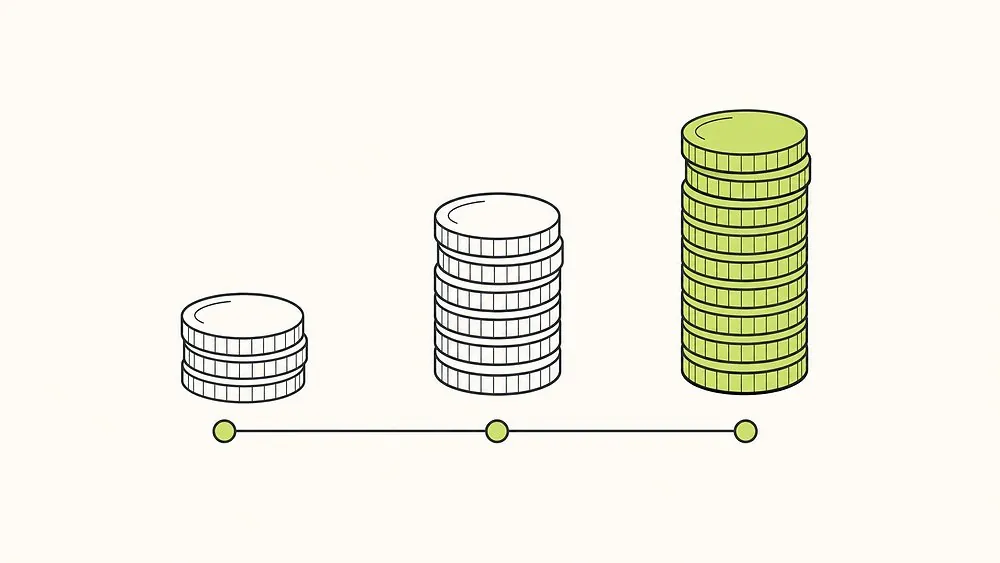
Start investing early, even if it’s small. Time matters more than amount. Compounding rewards the person who starts at 25 over the one who starts at 35 — even with less money.
-
Avoid lifestyle creep. When income rises, save the raise instead of upgrading your life to match. This is where most people quietly stay broke on a good salary.
-
Understand what you sign. Loans, EMIs, subscriptions — read the real total cost, not the monthly number. The monthly number is how they hide the total.
The mindset shift that changed everything for me
I used to think money was about earning more. It’s mostly about keeping more and being deliberate. Someone who earns modestly but saves and invests consistently beats a high earner who spends it all. Boring, repeatable habits win — the same way they do in business.
FAQs
How much should I save in my 20s?
A common target is around 20% of income, but start with whatever you can automate — even 5% — and raise it as you earn more. Consistency beats the perfect percentage.
Should I pay off debt or invest first?
Clear high-interest debt (like credit cards) first — few investments reliably beat that interest rate. Then invest, while keeping a small emergency fund alongside either way.
What’s the simplest way to start investing?
Low-cost, diversified index funds via a regular automatic contribution — simple, boring, and it quietly compounds. (This is general education, not personalised financial advice.)
Key takeaways
-
Spend less than you earn and automate the savings.
-
Emergency fund first, then kill high-interest debt, then invest.
-
Start investing early — time beats amount.
-
Beat lifestyle creep: save the raise.
-
Money is about keeping and being deliberate, not just earning.
Related reading: more practical money and business lessons in the Topics library.