How to Build an Emergency Fund (and Why It Buys You Freedom)
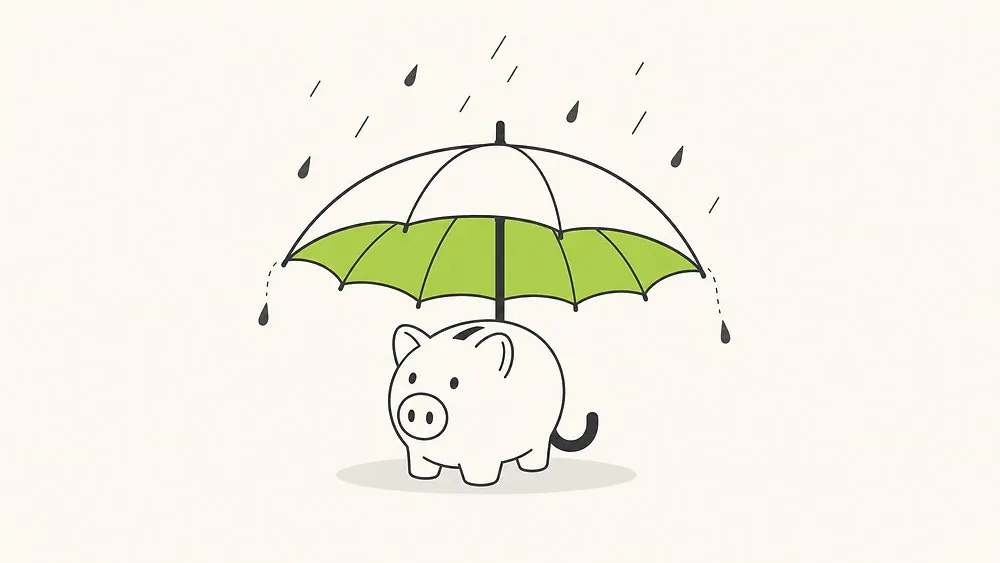
An emergency fund is the least exciting money idea and one of the most powerful. It’s not about growth — it’s about freedom. A few months of expenses in the bank changes how you make every decision, from jobs to risks to sleep.
What an emergency fund is
It’s a pot of easily reachable cash set aside for the unexpected — a lost job, a medical bill, a broken laptop you need for work. It’s not an investment and it’s not meant to grow. Its whole job is to be there, boring and available, when life surprises you.
Why it quietly changes everything
-
It removes panic. A surprise bill becomes an annoyance, not a crisis.
-
It buys you choices. You can leave a bad job, say no to bad clients, and take smart risks — because you’re not desperate.
-
It stops the debt spiral. Without a buffer, every emergency goes on a credit card at high interest.
-
It helps you sleep. The mental relief alone is worth the discipline.
How to build one
-
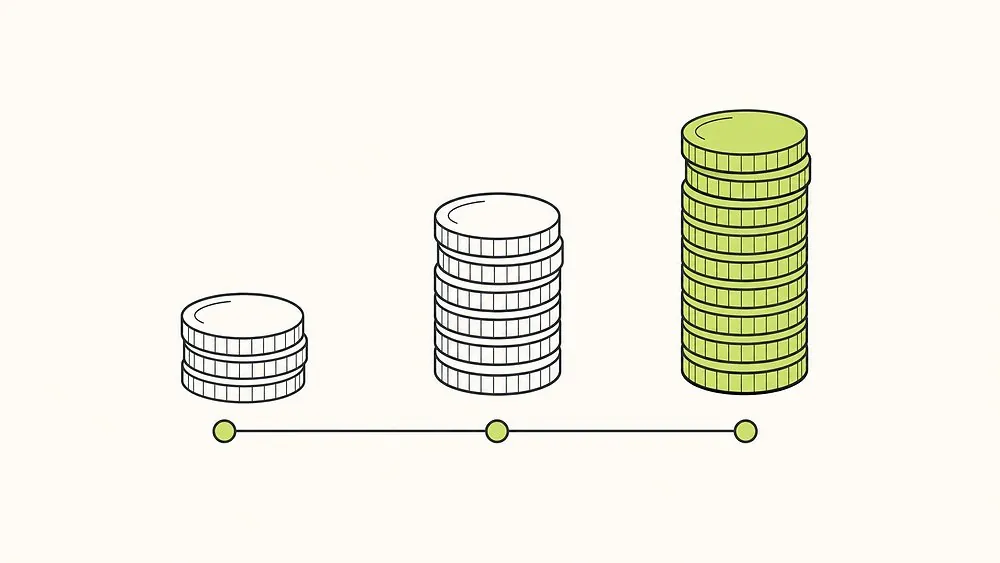
Pick a target. Start with one month of expenses, then build toward three to six.
-
Keep it separate and reachable. A different savings account you won’t touch by accident — not locked away, not invested.
-
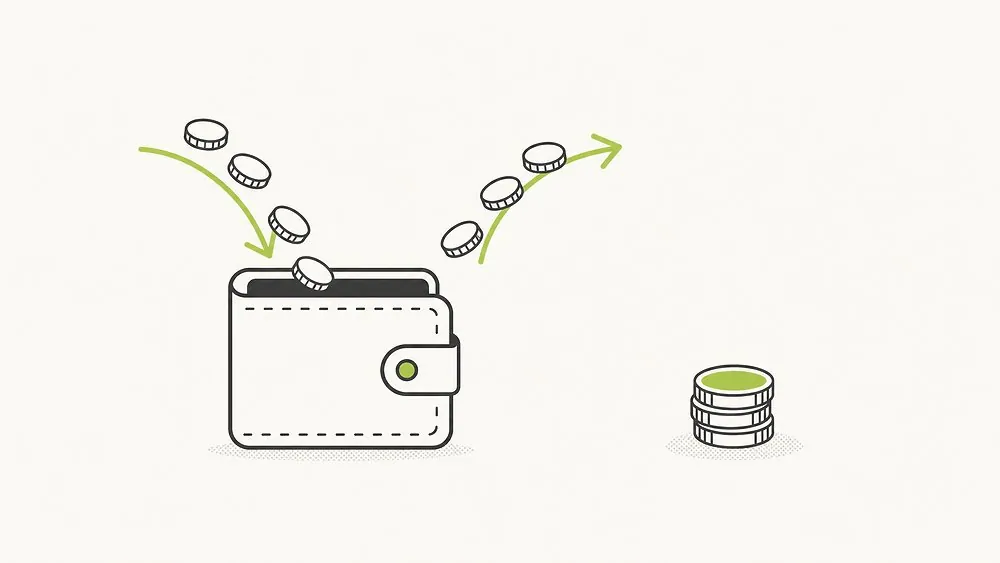
Automate it. Move a fixed amount the day you get paid, before you can spend it.
-
Start tiny if you must. Even a small buffer beats zero. Momentum matters more than the amount at first.
-
Refill it after you use it. It’s a tool, not a one-time achievement.
FAQs
How much should I keep?
Three to six months of essential expenses is the common guide. If your income is irregular — freelancing or a startup — lean toward the higher end.
Should I invest my emergency fund for better returns?
No. The point is safety and instant access, not growth. Keep it in cash you can reach in a day; invest the money you don’t need soon separately.
Key takeaways
-
An emergency fund buys freedom, not returns.
-
Aim for three to six months of expenses, kept in reachable cash.
-
Automate it and start small — momentum beats perfection.
-
Never invest it; its job is to be boring and available.
Related reading: money lessons for your 20s, money by decade, and more in the Topics library.