How to Read a Profit and Loss Statement (Without an Accounting Degree)

A profit and loss statement sounds like something only accountants read. It isn’t. It’s just a plain summary of what came in, what went out, and what was left — and once you can read it, you can actually run a business instead of guessing.
What a P&L is
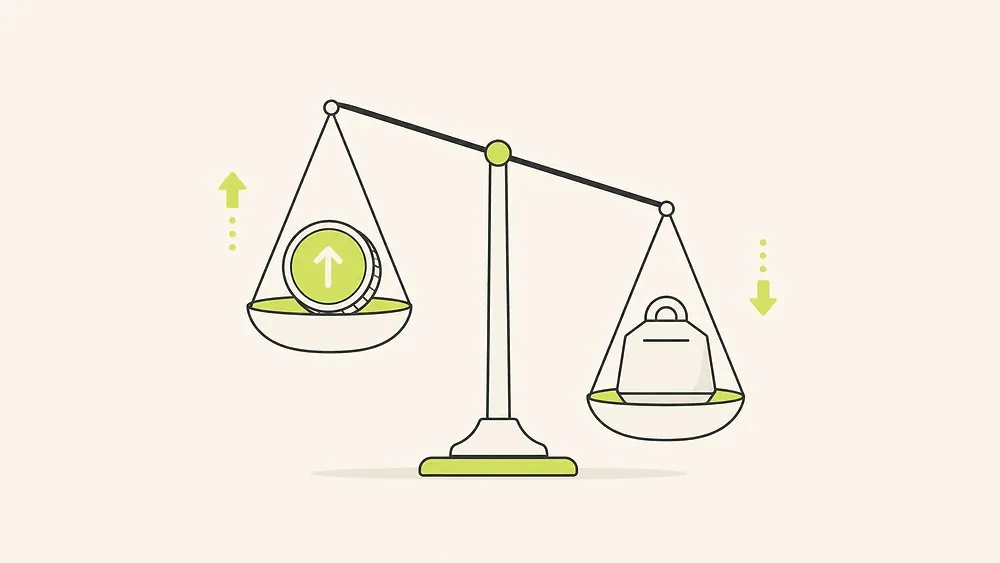
A profit and loss statement (also called an income statement) shows your business’s money over a period — a month, a quarter, a year. Top line: what you earned. Then what it cost. Bottom line: what’s left. That’s it. The jargon hides a very simple story.
The lines that matter
-
Revenue (top line) — all the money your business brought in from sales.
-
Cost of goods sold (COGS) — the direct cost of delivering what you sold.
-
Gross profit — revenue minus COGS. What’s left to run the business.
-
Operating expenses — rent, salaries, software, marketing — the cost of keeping the lights on.
-
Net profit (bottom line) — what remains after everything. The number that actually matters.
How to read one like an owner
-
Start at the bottom, then explain it. Is there profit? Then work up to see why.
-
Watch the margins, not just the totals. Gross margin and net margin tell you how healthy each sale is.
-
Compare over time. One month means little; the trend across months tells the real story.
-
Find the biggest costs. A few line items usually drive most of your spending — that’s where to look first.
P&L vs cash flow
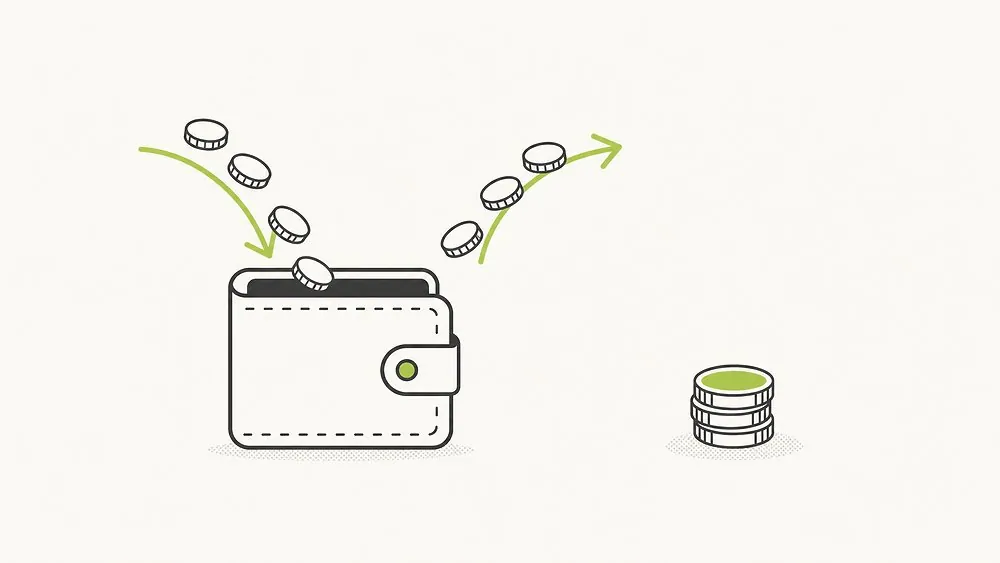
A P&L can show a profit while your bank account is empty, because it records sales you’ve made but not yet been paid for. That’s why you read the P&L for profitability and watch cash flow for survival — they answer different questions.
FAQs
How often should I look at my P&L?
Monthly is a good rhythm for most small businesses. Often enough to catch problems early, not so often that normal ups and downs spook you.
Do I need an accountant to understand it?
An accountant helps you produce it accurately, but reading it is a skill worth having yourself. Nobody understands your numbers’ story better than you should.
Key takeaways
-
A P&L is a plain summary: money in, costs out, what’s left.
-
Know the key lines — revenue, gross profit, operating costs, net profit.
-
Watch margins and trends, not just totals.
-
Read the P&L for profit; watch cash flow for survival.
Related reading: cash flow vs profit, how to price your services, and more in the Topics library.