AI Is Heading Toward Autonomy: What ‘Dark Factories’ Tell Us About What's Next
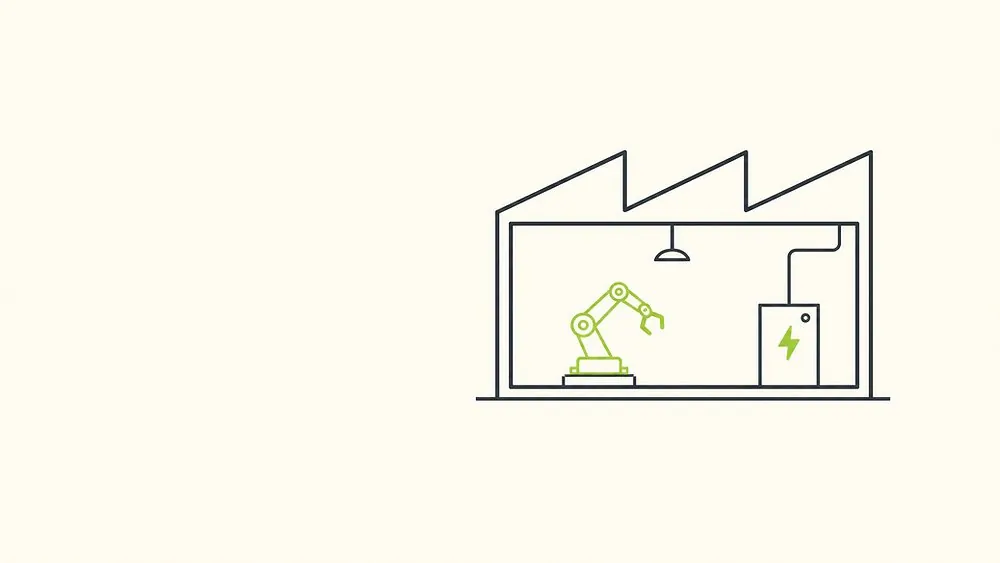
A “dark factory” is a facility that runs with the lights off — because there are no humans inside to need them. Machines and software run the whole operation, end to end. It sounds like science fiction, but these factories already exist, and they’re a preview of where AI is heading: from tools we operate to systems that operate themselves.
What is a dark factory?
A dark factory (or “lights-out” factory) is a production facility that runs almost entirely without people on site. Robots handle assembly, moving and packing; software schedules and monitors everything. The lights can be off because no one’s there to see. Companies in electronics and manufacturing already run lines this way. It’s the clearest physical example of a broader shift: automation moving from doing single tasks to running whole processes.
From tools to autonomy: the three stages
-
Assisted. AI helps a human do a task faster — drafting text, suggesting code, spotting defects. The human is still driving.
-
Automated. AI does the task itself within tight limits — a machine that inspects and sorts, a bot that answers common questions. A human sets the rules and supervises.
-
Autonomous. AI runs the whole process, makes decisions and adapts — the dark factory, or a software agent that plans and executes a goal end to end. Humans move from operating to overseeing.
We’re rapidly moving from stage one to stage two across most industries, and stage three is arriving first in narrow, well-defined domains — exactly like the dark factory, where the work is repetitive and measurable.
Why this matters, even if you’re not in manufacturing
-
The pattern repeats in software. “Agents” that plan and carry out multi-step tasks are the dark factory of knowledge work — automation moving from a single task to a whole workflow.
-
Value shifts to judgment and taste. When execution is cheap and automated, the scarce skills become deciding what to build, why, and whether it’s any good.
-
Leverage explodes for small teams. One person with the right AI systems can now do what used to take a department. That’s an opportunity, not only a threat.
What to actually do about it
-
Learn to direct AI, not compete with it. The winners won’t be the fastest typists; they’ll be the clearest thinkers who can brief, review and combine AI outputs well.
-
Automate your own repetitive work first. Find the tasks you repeat every week and hand them to AI or simple automation. Build your own small “lights-out” systems.
-
Double down on the human parts. Judgment, relationships, trust, taste and original thinking — the things that don’t automate — get more valuable, not less.
-
Stay curious, not fearful. Every automation wave destroyed some jobs and created new ones. The people who learned the new tools early did best.
FAQs
Will AI autonomy replace human jobs?
It will replace many tasks and reshape most jobs, the way every automation wave has — while also creating new roles around directing, checking and building on top of AI. The safest position is to become the person who uses it well, not the one who ignores it.
Are fully autonomous factories real today?
Yes — “lights-out” or dark factories already operate in electronics and manufacturing, running long stretches with almost no people on site. They’re limited to well-defined, repetitive processes for now, but that boundary keeps moving.
Key takeaways
-
AI is moving from assisting tasks to running whole processes.
-
Dark factories are the physical preview; software agents are the knowledge-work version.
-
Value shifts to judgment, taste and the human parts that don’t automate.
-
Learn to direct AI and automate your own repetitive work early.
-
Every automation wave rewards those who adopt it, not those who resist it.
Related reading: more on AI, automation and systems in the Topics library.